Veteran Brain Health Intensive (VBHI)

The Veteran Brain Health Intensive (VBHI) Program

The Veteran Brain Health Intensive is Australia’s first dedicated program for the assessment of blast-induced traumatic brain injury (TBI) in veterans.  

TBI among veterans is under-diagnosed and not well understood in Australia, resulting in significant under-treatment of a population that has served at considerable personal cost. 

Successfully piloted in Wollongong in June 2026, the VBHI brings together a coordinated multidisciplinary team to assess, document and plan treatment for veterans living with the effects of blast exposure: restoring clarity, function and quality of life to those who have given the most. 

Blast-induced traumatic brain injury: the problem

Blast-induced TBI is the signature wound of modern military service. It requires a coordinated approach to detection and treatment that does not yet exist in Australia. 

A condition that occurs after exposure to blasts in training and in combat, TBI causes damage to brain tissue through the pressure waves generated by explosive weapons. This can produce a range of symptoms, from subtle to debilitating, that frequently go unrecognised for years. 

Veterans working in roles involving IEDs, heavy weapons, breaching, and high-speed maritime operations accumulate blast and impact exposure across their careers. Yet in Australia there is no coordinated system to find or treat those who have sustained TBI during military service.  

Many have been misdiagnosed with post-traumatic stress disorder; others have received no diagnosis at all. 

TBI symptoms

Repeated exposure to blast overpressure can cause lasting brain injuries. These are real and physical, yet frequently invisible to conventional assessment, where each specialist sees only one piece of the picture. 

Symptoms can be neurological, psychiatric, cognitive, sleep-related, musculoskeletal or vestibular: often several of these simultaneously. They include insomnia, depression, headaches, hearing loss, memory loss, functional changes, mood changes and early-onset dementia, through to an increased risk of suicide. 

These symptoms are often misdiagnosed as PTSD or missed entirely, affecting the quality of life of unknown numbers of Australian veterans. 

The scale of need

The prevalence of blast-related TBI among Australian veterans is currently unknown. However, conservative estimates indicate that approximately 3,000 to 6,000 are living with persistent symptoms consistent with TBI. Exposure builds over years of service and often goes unrecorded, so the true number of affected veterans is likely to be higher.   

Defence and veteran health authorities in the United States, United Kingdom and Canada are increasingly treating cumulative blast exposure as a distinct risk to brain health, warranting assessment based on exposure history rather than a single diagnosed injury.  

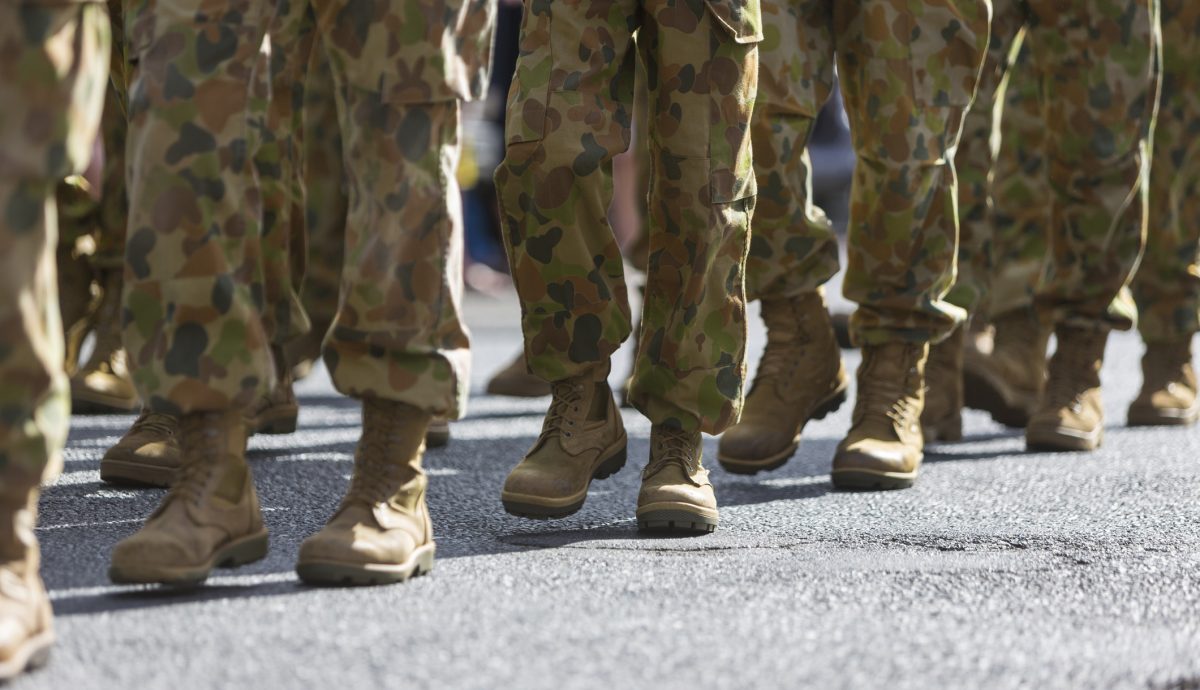
Feet of soldiers marching at an ANZAC Day parade on the streets of a regional country town

Who the program is designed for

Veterans with a history of blast overpressure exposure during service: from breaching, weapons firing, explosive ordnance and sustained combat operations. 

The program is designed for veterans from special operations and other high-exposure roles who are living with memory, concentration, sleep, mood or sensory difficulties and have not been able to get clear answers through the conventional system. 

A formal brain injury diagnosis or recorded concussion is not required. Many of these injuries were never formally documented. What matters is exposure history and symptom burden. 

The program

Until now, Australia has had no dedicated pathway to assess TBI in veterans. The VBHI is modelled on the Home Base Comprehensive Brain Health and Trauma program at Massachusetts General Hospital, Boston, adapted for the Australian DVA clinical context. 

Each veteran completes a structured five-day assessment with a coordinated multidisciplinary team, including advanced brain imaging, comprehensive neuropsychological testing and specialist medical review across neurology, psychiatry, psychology, sleep medicine, vestibular physiotherapy, occupational therapy, exercise physiology and more.

Patients leave with a fully integrated brain health report written for them and their treating GP: a clear picture of any findings, a proposed treatment plan and a defined pathway for care and support in their home community. The program team stays connected through structured check-ins after the week. 

Brain injury is not carried alone; it is lived at home. That is why families are part of the program. On the final day, each veteran’s family joins them, hearing the findings together, understanding the plan, and leaving equipped to support the road ahead.

Send Us a Message

Fill out the form below and we’ll get back to you promptly.

Company of Interest