
There’s new hope for Australian veterans who may be suffering the effects of traumatic brain injury (TBI) from blast overpressure exposure with the establishment of a program which streamlines detection and care for this under recognised and under-managed condition.
Wollongong based Aeternal Group has created the Veteran Brain Health Intensive (VBHI) program, a first-of-its kind multidisciplinary assessment model for Australian veterans, informed by international best practice in veteran brain health assessment including an established program from the United States.
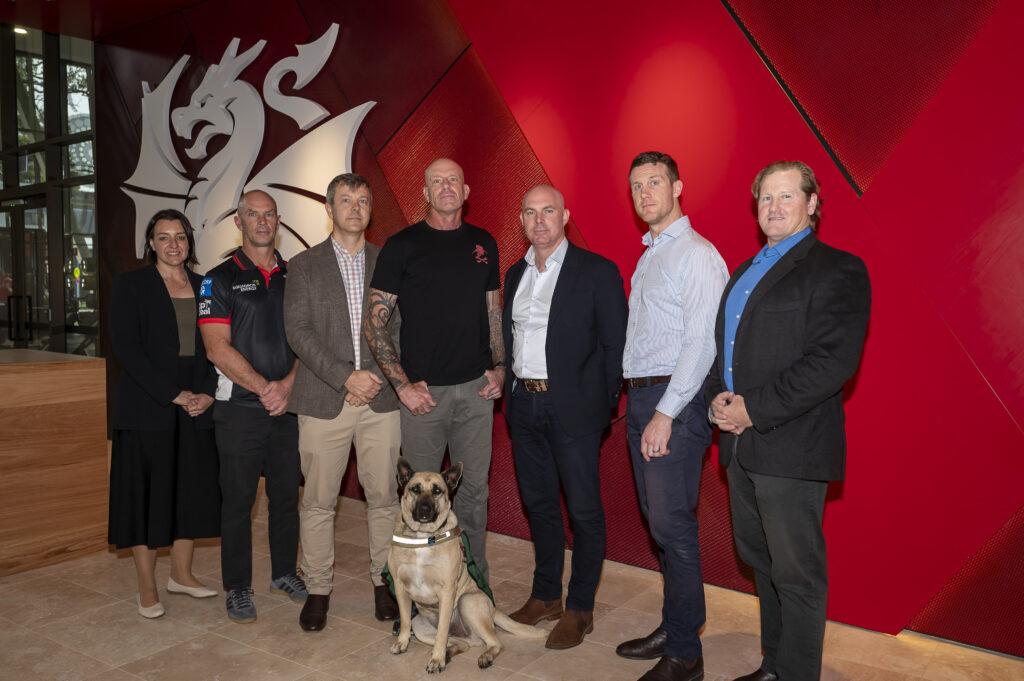
Recently trialled at the St George Illawarra Dragons’ Community and High Performance Centre in Wollongong, the VBHI also helps to distinguish TBI from post-traumatic stress disorder (PTSD) to which its symptoms are frequently misattributed.
Occurring after repeated exposure to blast overpressure (the pressure waves generated by the discharge of weapons), TBI is associated with symptoms including insomnia, depression, headaches, hearing loss, memory loss, functional changes, mood changes, early onset dementia and increased risk of suicide.
The prevalence of blast-related TBI among Australian veterans is currently unknown. However, conservative estimates indicate that approximately 3,000 to 6,000 are living with persistent symptoms consistent with TBI. Exposure builds over years of service and often goes unrecorded, so the true number of affected veterans is likely to be higher.
Defence and veteran health authorities in the United States, United Kingdom and Canada are increasingly treating cumulative blast exposure as a distinct risk to brain health, warranting assessment based on exposure history rather than a single diagnosed injury.
The VBHI program provides a coordinated and fast-tracked approach to address the potential presence of TBI by assessing cohorts of veterans in one location, with a multidisciplinary clinical team focusing on the health domains which could indicate its presence. The program also involves affected veterans’ families, who are significant to their care and recovery.
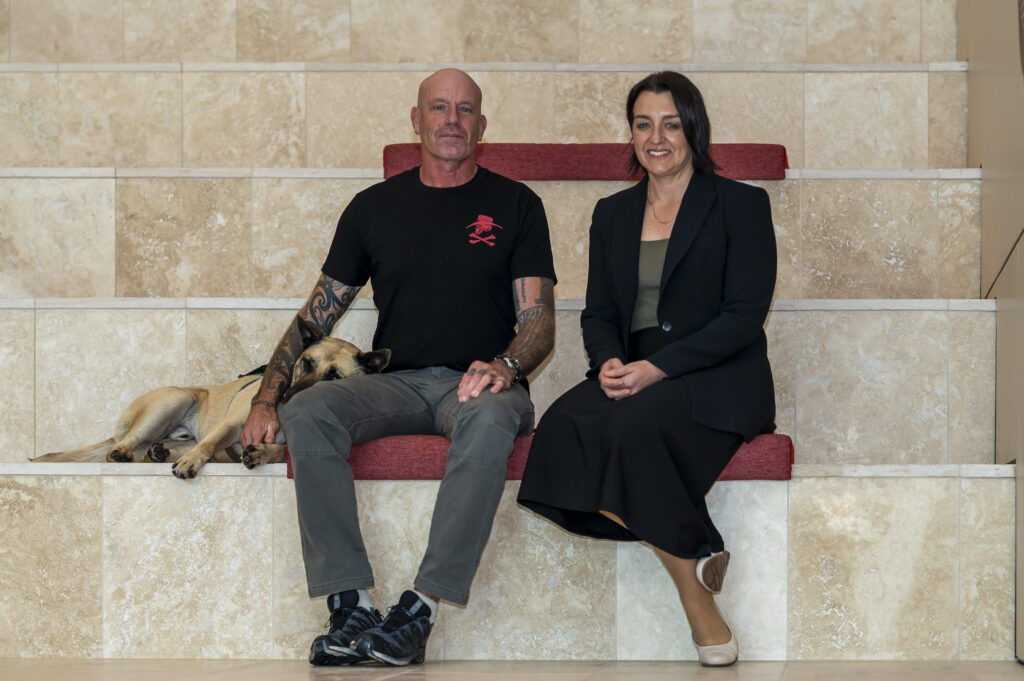
The first VBHI participant and mentor for future cohorts, ex SAS soldier Andrew ‘Horse’ Hudson, said the program is a welcome development for veterans who deserve better diagnosis, treatment and management after service. “During my 22 years of service in the Australian Army, I was exposed to countless blasts capable of causing brain damage. Finally, 11 years post discharge, being clinically assessed for this has been reassuring,” Hudson said.
“It was a privilege to be a part of the trial of the Veteran Brain Health Intensive, helping to refine a program that can help others who have served while gaining a better understanding of my own health post service,” he said.
Justin Roderick, Program Director for VBHI, said the program’s performance restoration objective is what the veteran community needs right now.
“There’s an endless pool of talent and capability in the veteran community, but there are health issues which can be addressed better to help realise their potential for success,” Roderick said.
“By placing veterans in an environment that’s all about restoring people’s performance, with an intensive focus on resolving issues that may currently be missed by the health systems in place, we’ve got the potential to provide large benefits to Australian veterans and our country.”
Aeternal Group CEO, Kasey Mumford, said her company established the VBHI program because of the strong need in the veteran community.
“Currently, veterans with blast-induced traumatic brain injuries are treated under the civilian pathway, with symptoms assessed by individual practitioners and with no dedicated coordination,” Mumford said.
“Aeternal Group is focused on identifying opportunities to improve the standard of care for Australian veterans, exploring evidence-based treatments which are offered outside of the country and are capable of local adaptation for better outcomes.”
Tim Watsford, CEO of the St George Illawarra Dragons, said he is proud his organisation can support VBHI with a space to run the program.
“We see veteran health as a key social issue and we’re proud to provide a space for a program with the potential to make a positive impact on veterans’ lives,” he said.